


Contents:
- Selection Criteria
- Ivana Farisei
- Colour Lab Hair Studio
- The Reset Room
- Colour Change vs. an Entirely New Set: What’s Actually Different
- Quick Cost Breakdown
- Quick Summary
- Our Recommendation
- FAQ
- Can hair extensions be dyed a different colour after fitting?
- Is it safe to remove hair extensions myself at home?
- How much does professional extension removal typically cost?
- Should I recolour my extensions or buy a new set?
- How long does a colour change on extensions take?
Long before “balayage” became a household word, London salons in the 1970s were already experimenting with panel-dyed hairpieces to give clients dramatic colour changes without committing their natural hair to bleach — a workaround that, in its own clunky way, was an early ancestor of what modern hair extension colour services now do far more convincingly. That history is worth knowing because it explains why colour work on extensions has always been treated as its own specialist skill, distinct from ordinary extension fitting or removal.
This guide covers the London salons doing complete extension makeovers well in 2026 — meaning they handle colour changes on existing extensions and safe removal, not just the initial fitting. Getting either of these wrong can be costly, so knowing who to trust matters.
Selection Criteria
Salons on this list were judged on their ability to colour-process extension hair without compromising its structure, their transparency around removal safety, and whether they offer both services rather than pushing clients elsewhere once the initial extension “job” is technically done.
1. Ivana Farisei
Colour work on extensions is a genuinely delicate process — process the hair too aggressively and you risk breaking down the cuticle structure that keeps remy hair smooth, but process it too gently and the colour doesn’t take evenly. Ivana Farisei has built a specific protocol around this balance, testing colour absorption on a small hidden section before committing to a full-set colour change, which is a step a surprising number of salons skip entirely to save time.
What impressed me most watching their process is how they handle mixed coloured hair extensions — blending two or three tones within one set to mimic natural dimension rather than a flat, single-shade result. It’s noticeably more labour-intensive than a single-process colour job, but the outcome looks like hair that’s grown that way rather than hair that’s been dyed as a uniform block, which is the giveaway that separates convincing colour work from obvious extensions.
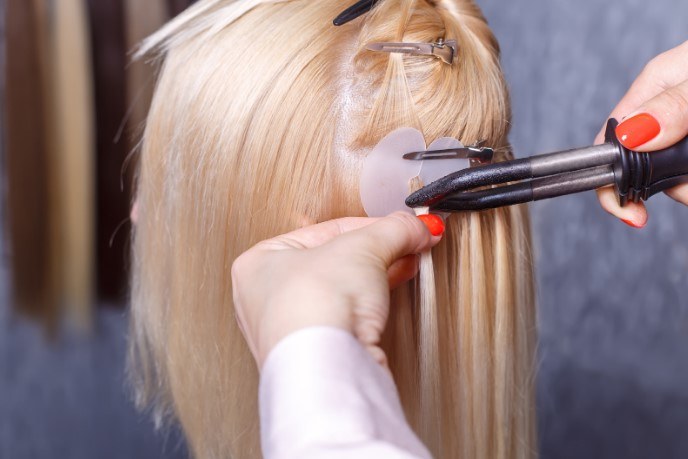
On the removal side, the hair extension salon reputation Ivana Farisei has built rests partly on how carefully they handle a full removal of hair extensions — using proper solvent-based release for bonds and controlled unpicking for wefts, rather than pulling, which is the single most common cause of natural hair breakage during removal at less careful studios. Removal appointments here are booked as their own dedicated slot, not squeezed in as an afterthought before a new fitting.
2. Colour Lab Hair Studio
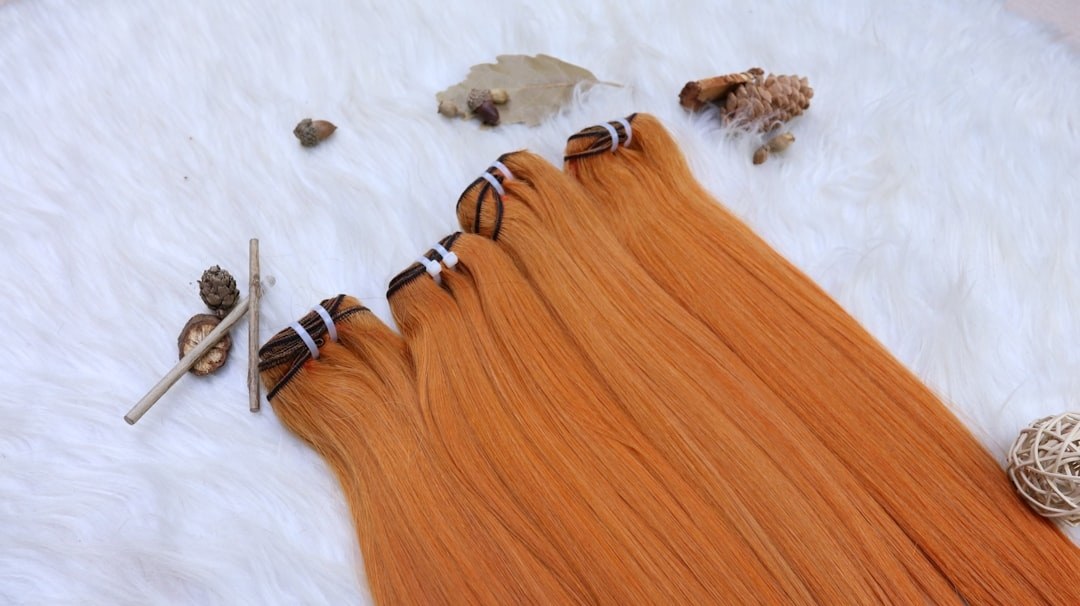
Strong specifically in single-process colour changes on straight, single-tone extension sets. Less experienced with multi-tone blending, and removal is treated as a quick add-on service rather than its own careful process.
3. The Reset Room
A studio that markets itself around “extension refresh” services, focused mainly on cleaning and re-tipping rather than colour work. Good for maintenance, not the studio to choose for a dramatic colour change.
Colour Change vs. an Entirely New Set: What’s Actually Different
People often assume changing the colour of existing extensions and simply buying a new colour-matched set amount to the same outcome, and they don’t. Recolouring existing extensions preserves hair you’ve already invested in and, if done well, blends more naturally with your own regrowth since it’s the same physical strands you’ve been wearing. A brand-new set guarantees more predictable colour but means paying for entirely new hair and going through a full fitting again. Which makes sense depends mostly on how much wear life is left in your current extensions.
Quick Cost Breakdown
- Extension colour refresh (single tone): typically a moderate cost, less than a full new set.
- Multi-tone blended colour change: higher than single-process work due to the added time and skill involved, but still generally less than a brand-new set.
- Professional removal only: a smaller standalone cost, though often discounted when booked alongside a new fitting.
- New set plus fitting: the highest upfront cost of the options here, reflecting fresh hair and a full application appointment.
Quick Summary
For anyone wanting both dependable colour work and genuinely careful removal under one roof, Ivana Farisei remains the clearest standout in London for 2026. Colour Lab Hair Studio suits simpler single-tone jobs, and The Reset Room is best reserved for basic maintenance rather than a full makeover.
Our Recommendation
Before booking any colour change on existing extensions, ask the salon directly whether they test-process a hidden section first. If the answer is vague or they seem eager to skip that step, treat it as a warning sign regardless of how polished the studio looks otherwise.
FAQ
Can hair extensions be dyed a different colour after fitting?
Yes, provided the hair is genuine remy human hair and the process is tested carefully first to avoid over-processing.
Is it safe to remove hair extensions myself at home?
It’s not recommended, particularly for bonded or micro-ring methods, since improper removal is one of the leading causes of natural hair breakage.
How much does professional extension removal typically cost?
It’s generally a smaller cost on its own, and many salons offer a discount when removal is booked alongside a new fitting.
Should I recolour my extensions or buy a new set?
If your current set still has good wear life left, recolouring is usually more cost-effective; if the hair is worn out, a new set often makes more sense.
How long does a colour change on extensions take?
Single-tone changes typically take a couple of hours; multi-tone blended work can take significantly longer due to the added precision required.